
What tools do you need if you’re new to watchmaking?
An overview of the standard equipment
| Tool | Function |
| Watchmaker's screwdriver set | Loosen the screws on the unit and the housing |
| Tweezers (2–3 sizes) | Gripping and positioning small components |
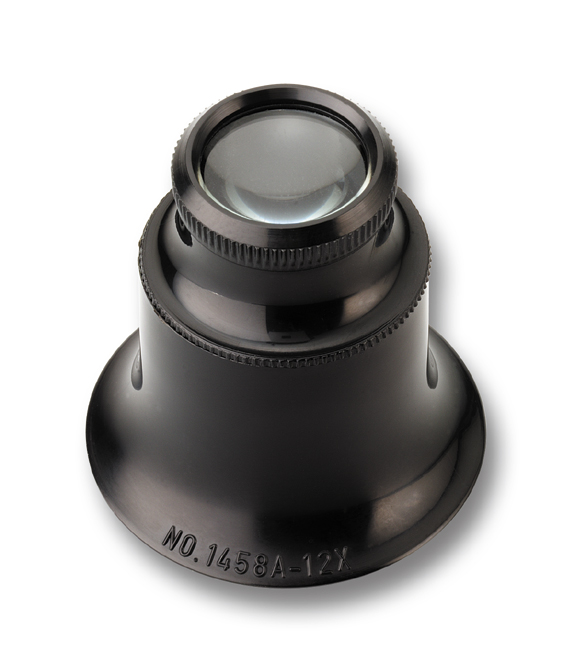
| Watchmaker’s magnifying glass (2.5x–5x) | Sharp, detailed vision |
| Case opener | Open the case back/bezel |
| Spring clip tool | Changing the watch strap |
| Watchmaker’s hammer & anvil | Set the hand |
| Lifting tool | Remove the crown |
Important: Sharpen screwdrivers regularly; choose tweezers made of hardened steel; opt for non-magnetic tools.
Additional tools for advanced users
Ultrasonic cleaners, stopwatches, spring scales and oil applicators – not essential for beginners, but useful for regular practice.
What to look out for when buying
- Hardened steel rather than cheap materials
- Non-magnetic properties
- The right blade width rather than a one-size-fits-all compromise
- Ergonomics for longer working sessions
Common beginner’s mistakes
1. Cheap, flimsy screwdrivers
2. Incorrect blade width → slipping
3. No magnifying glass → mistakes go undetected
4. Magnetised tools affect the accuracy of the movement
Frequently Asked Questions (FAQ)
How much does a decent basic set cost?
Usually in the mid-double-digit to low-three-digit range.
Do you need a timing scale straight away?
No, it’s only relevant when carrying out more extensive work on the movement.
Why use anti-magnetic tools?
Magnetised parts can affect the balance spring and impair the watch’s accuracy.
Conclusion
A solid basic set comprising screwdrivers, tweezers, a magnifying glass, a case opener and a spring bar tool is sufficient to get you started – quality is key, rather than the lowest price.